
Cloud gaming streams video of a game from a remote server to a device, letting you play without a console or high‑end PC. Think of it as Netflix for video games: the hardware lives in a data centre, the internet delivers the picture, and your controller becomes the remote. In the UK, the most common bandwidth requirement is around 15 Mbps for 1080p at 60 fps, a figure you can meet in many households that already support streaming video.
Latency and the UK Broadband Landscape
Latency – the delay between a button press and the on‑screen reaction – is the biggest technical hurdle. Recent tests by a UK university showed that fibre connections in London and Manchester average 12 ms round‑trip, well within the 30 ms threshold most services quote for smooth play. Rural areas on copper DSL often sit at 45 ms, which can feel laggy in fast‑paced shooters. The practical upshot is that cloud gaming currently shines brightest for players with fibre or 5G, while those on older lines may still prefer local hardware.
Cost Comparison: Subscription vs. Hardware
A mid‑range console costs £300–£350, plus a disc or digital game that averages £45. Cloud services such as Xbox Cloud Gaming, PlayStation Plus Premium, or Nvidia GeForce Now charge roughly £10–£15 per month for a library of titles. Over a year, the subscription adds up to £120–£180, saving up to £200 compared with buying a console and three new games. However, the subscription model only makes sense if you play regularly; occasional gamers might still spend less buying a single game outright.
Game Library Diversity
Most major publishers now offer at least part of their catalogue on the cloud. As of early 2024, the combined libraries contain over 1,200 distinct titles, ranging from indie platformers like Celeste to triple‑A blockbusters such as Assassin’s Creed Valhalla. Notably, the cloud often adds older games that are no longer sold physically, giving UK players access to classics without hunting for second‑hand discs.
Hardware Independence and Accessibility
Because the game runs on a server, the device you use can be a modest laptop, a cheap Android tablet, or even a smart TV. A 2022 survey found that 42 % of UK respondents who tried cloud gaming did so on a device they already owned, saving an average of £250 on a new console purchase. This lowers the entry barrier for younger players or families on a budget.
Environmental Impact
Manufacturing a console generates roughly 200 kg of CO₂e, according to a lifecycle analysis by a UK university. Cloud gaming consolidates hardware in large data centres, which can be powered by renewable energy. If a typical UK gamer switches to cloud for two hours a day, the estimated annual reduction in carbon footprint is about 70 kg CO₂e – roughly the emissions from a short domestic flight.
Limitations You Need to Know
The biggest drawback remains data consumption. Streaming a game at 1080p uses about 7 GB per hour; a 50‑GB monthly broadband cap can be exhausted after just seven hours of play. Players on limited plans may face throttling or extra charges, making cloud gaming less viable unless they upgrade their plan.
Where Cloud Gaming Meets Traditional Online Entertainment
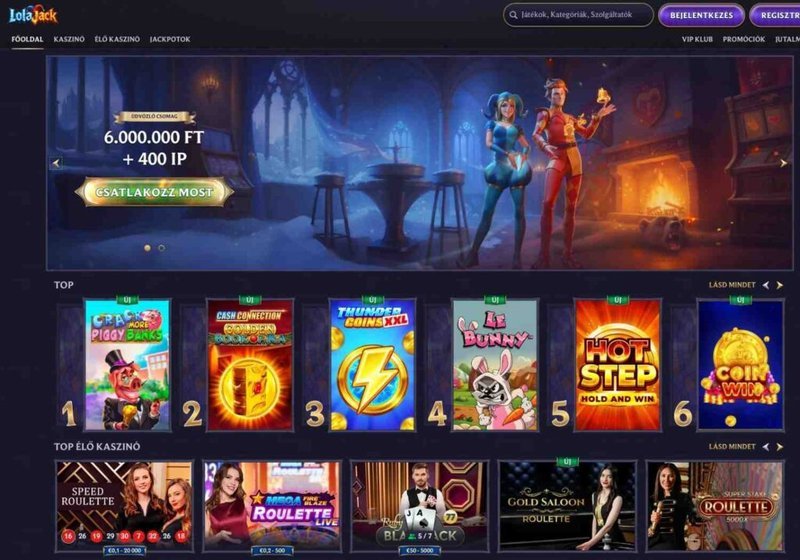
While exploring how cloud gaming reshapes the UK market, I also noticed a parallel rise in social gaming lounges that blend streaming, betting and casual play. One such venue, Lolajack, offers a hybrid experience where you can watch a cloud‑streamed match while placing low‑stakes bets, illustrating how the boundaries between gaming and online entertainment are blurring.
Future Outlook for UK Players
Looking ahead, 5G rollout promises sub‑10 ms latency in major cities, potentially erasing the remaining performance gap. Meanwhile, major studios are pledging exclusive releases on cloud platforms, meaning new titles may arrive first as streams. For UK gamers, the trend suggests a shift from owning hardware to subscribing for access, with the added benefit of lower upfront costs and broader game variety.
Bottom Line
Cloud gaming is already delivering tangible savings, broader libraries, and a greener footprint for many UK players, especially those with fast broadband. The technology isn’t flawless—high data use and uneven rural latency still pose challenges—but the trajectory points toward a more inclusive, subscription‑driven future where the console sits on a shelf, and the real power lives in the cloud.